Most people adjust to new hearing aids within two to four weeks. Sounds can seem sharp or loud at first because your brain has not processed them clearly for some time. Wearing your hearing aids consistently, starting at home and building up, is what shortens the adjustment.
Hearing aids are not like glasses. Glasses correct your vision the moment you put them on. Hearing aids feed your brain sounds it has been missing, sometimes for years, and your brain needs time to relearn how to sort them.
That relearning is the adjustment period, and it is completely normal. Here is what to expect, and what you can do to make it easier.
How long does it take to get used to hearing aids?
Two to four weeks for most people. Some feel settled within days.
If your hearing loss has been present for a long time, or this is your first pair, speech can take up to three months to feel completely natural. The strongest predictor is wear time. The more consistently you wear them, the faster your brain adapts.
What to expect week by week
Week 1: at home, in the quiet
Wear your hearing aids for one to two hours at a time in a quiet, familiar space. Notice the everyday sounds you have been missing: the kettle, the fridge humming, doors closing, footsteps, your pet moving around the room.
Some of these will seem unreasonably loud. That is your brain recalibrating, not a fault with your devices.
Weeks 2 to 3: one on one conversations
Build up to wearing them most of the day. Have conversations with one person at a time, face to face. Watching the speaker’s face genuinely helps, and closed captions on the TV take the pressure off while your listening catches up.
Week 4 and beyond: groups and background noise
Once one on one feels comfortable, try a cafe, a family dinner, the shops. Busy environments are the hardest test and the last thing to settle, so expect this to keep improving for several more weeks.
Aim to wear your hearing aids all day, every day, apart from showering, swimming and sleeping.

Why does my own voice sound louder?
Because you have not heard it properly in a while. Hearing loss gradually changes how you perceive your own voice, and having a device in your ear changes it again.
It settles quickly for most people, and you can speed it up by talking more, not less. Read aloud, chat to the dog, ring a friend. If your voice still sounds boomy or hollow after a couple of weeks, we can adjust the fit or the settings. It is a common and straightforward fix.
It is also because of the proximity of the mouth and ears, so the hearing aid picks up the wearer’s voice louder because it is closer to the hearing aid than other sounds in the environment.
Is it normal to feel frustrated?
Yes. Hearing more is not the same as hearing better, at least not at first. Your brain has to relearn which sounds matter and which to filter out, and that takes real effort. Feeling tired or short-tempered after a long day of wearing them is common in the first fortnight.
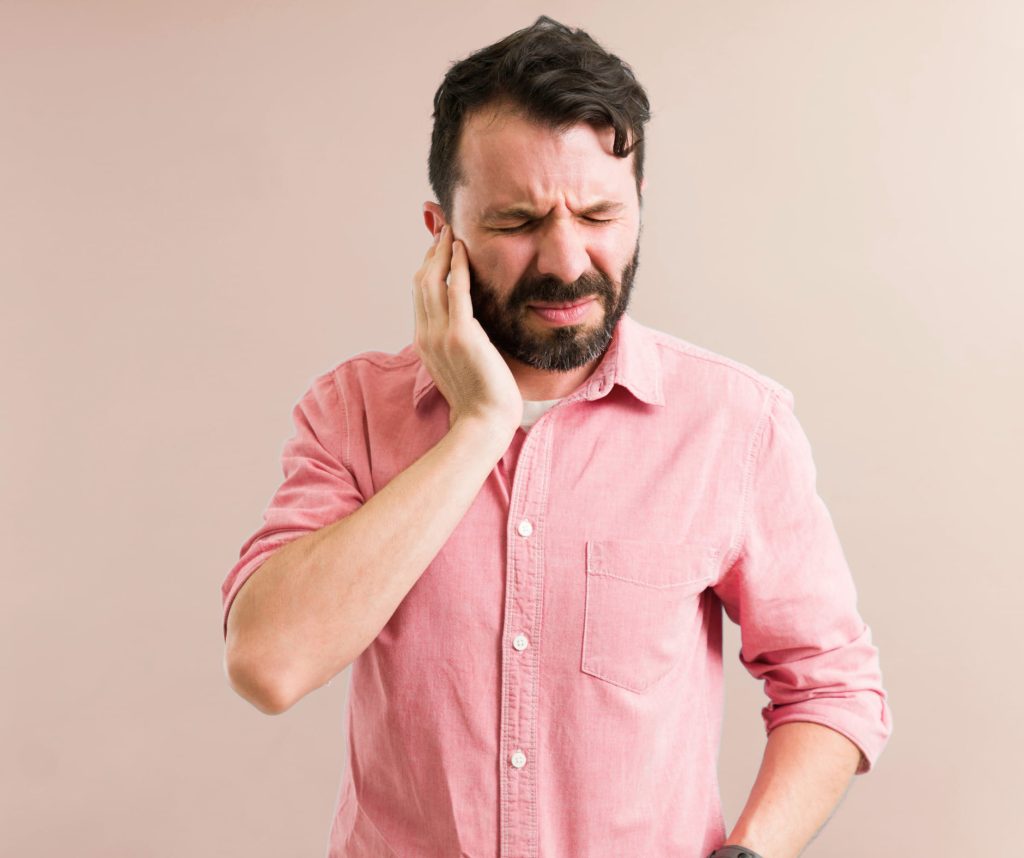
What is not normal: pain, itching, swelling, or no improvement at all after a few weeks. If you notice any of those, book in and have it looked at rather than pushing through.
What if I still struggle in noisy places?
Hearing aids help significantly, but they do not restore hearing to exactly what it was. Noisy rooms, hard surfaces, softly spoken people and distance all remain difficult.
A few things make a real difference:
- Ask people to face you when they speak
- Move away from the noise, or sit with your back to it
- Get closer to the person you want to hear
- Ask for a repeat, slower rather than louder
These are skills rather than workarounds. Used alongside your hearing aids, they close most of the remaining gap.
Should I bring someone to my appointments?
It helps. A partner, family member or friend who spends a lot of time with you often notices things you do not, like which situations you are still missing.
They also learn how your hearing aids work and what they can do to make conversation easier at home. An extra set of hands while you learn to change domes or use the app is welcome too.
Can I connect my hearing aids to my phone?
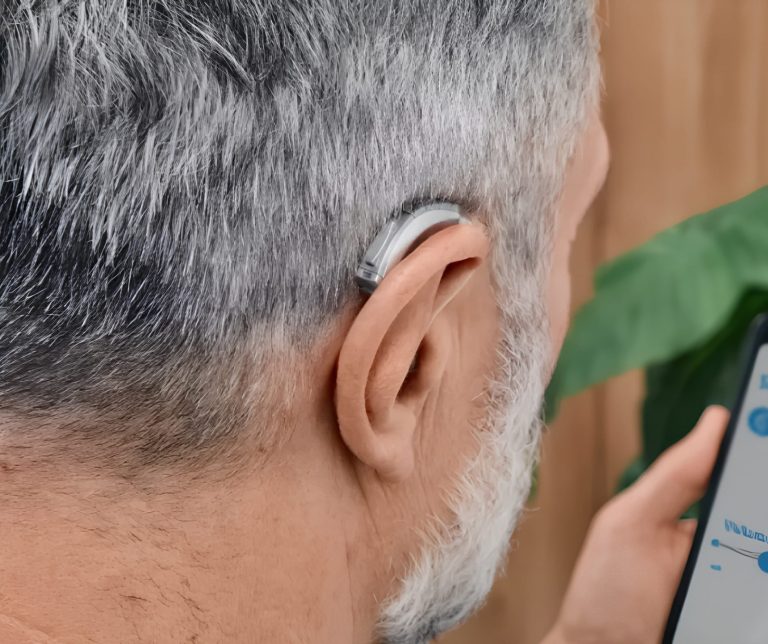
Most modern hearing aids connect by Bluetooth. Depending on your devices and your phone, you may be able to stream calls, music, podcasts and TV audio straight to your hearing aids, and adjust volume or programs from an app.
It is worth learning. Streaming phone calls directly is one of the biggest everyday improvements our clients report. Ask us what your devices can do and we will set it up with you at your next visit.
What if speech still is not clear?
If sounds are louder but words are still muddy, tell us. Sometimes the fix is an adjustment to your settings.
Sometimes the recommendation is auditory training: structured listening practice that helps your brain get better at picking speech out of noise. When the brain has not had clear access to certain sounds for years, those listening pathways need exercise, not just volume.
Getting the most out of your hearing aids
You do not have to work through the adjustment on your own. Fine tuning in the first few months is a normal part of the process, and small changes to your settings often make a large difference to how natural things sound.
Knox Audiology’s audiologists are university qualified and experienced across all major hearing aid brands. Whether it is your first pair or your fourth, we will get them working properly for you.
Book a hearing aid review
If your hearing aids are not performing the way you expected, or you have questions about what you are hearing, book a review with our team.
Call 03 9800 5697 or book online.